Trending Technologies That Are Shaping the Future
Introduction
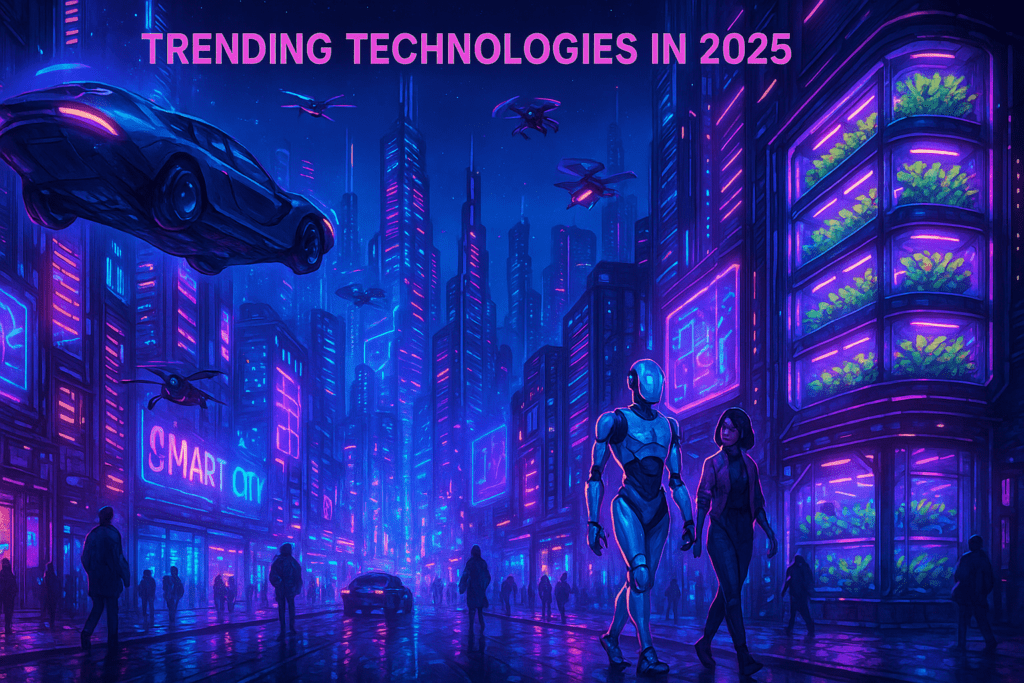
We’re living in an age where technology changes faster than the seasons. Blink, and you might miss the next big thing. From artificial intelligence to the rise of the metaverse, trending technologies are not just transforming industries—they’re redefining how we live, work, and connect. So, what’s hot right now? Let’s dive into the top trending technologies shaping our world in 2025 and beyond.
Artificial Intelligence (AI) and Machine Learning (ML)
Everyday AI Applications
AI isn’t some sci-fi fantasy anymore—it’s your real-life assistant. Whether it’s Netflix suggesting your next binge-worthy show or Siri setting your alarm, AI is quietly running behind the scenes to make your life easier.

ML in Predictive Analytics
Machine learning is the brains behind predictive analytics. Businesses are using it to forecast sales, predict customer behavior, and even detect fraud in real-time. It’s like having a crystal ball powered by data.
The Rise of 5G Technology
Faster Connectivity
5G is not just about speed—it’s about possibility. With ultra-fast data transmission and lower latency, streaming high-quality videos or playing multiplayer games without lag is becoming the new normal.
Impact on IoT and Smart Devices
Think of 5G as rocket fuel for IoT. It allows smart homes, self-driving cars, and wearable devices to operate more efficiently by enabling real-time communication across devices.
Blockchain Beyond Cryptocurrency
Decentralized Finance (DeFi)
Blockchain is no longer limited to Bitcoin. DeFi platforms are revolutionizing banking by letting people borrow, lend, and earn interest without traditional banks.
Supply Chain Transparency
From food traceability to verifying the authenticity of luxury goods, blockchain is adding layers of transparency that were previously unthinkable.
Internet of Things (IoT) Revolution
Smart Homes
Alexa, turn on the lights! IoT-enabled homes let you control everything—from lighting to security—right from your smartphone.
Industrial IoT (IIoT)
In factories, IIoT sensors monitor machinery, predict failures, and optimize energy use. It’s all about working smarter, not harder.
Augmented Reality (AR) and Virtual Reality (VR)
Gaming and Entertainment
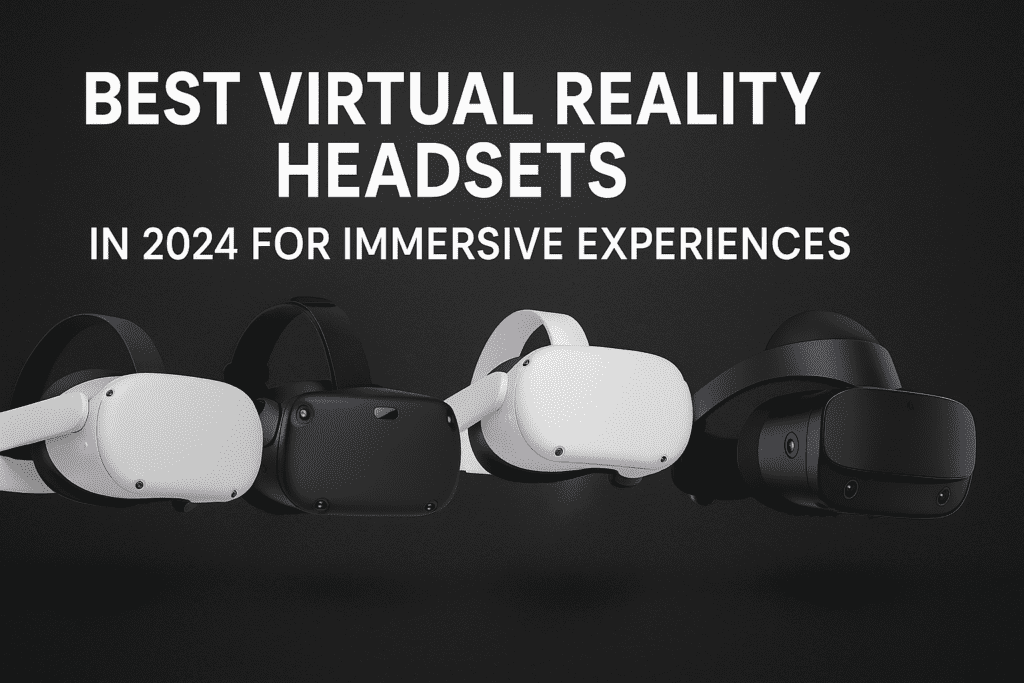
VR is no longer just a gamer’s fantasy. With immersive headsets, users can step into alternate realities and explore new worlds.

AR in Retail and E-commerce
AR lets you try on clothes virtually or see how that new couch looks in your living room—shopping has never been this interactive.
Quantum Computing
How It Works
Quantum computing goes beyond 1s and 0s. It uses qubits to perform calculations at lightning speed, solving problems classical computers can’t handle.
Real-World Potential
From solving complex medical equations to optimizing traffic in cities, quantum computers have the potential to crack problems that baffle today’s tech.
Cybersecurity Enhancements
AI in Threat Detection
AI isn’t just about convenience—it’s also our digital bodyguard. By detecting patterns in data, AI helps spot threats before they become breaches.
Zero Trust Security
“Trust no one” is the new motto in cybersecurity. Zero Trust ensures every access request is verified, regardless of where it originates.
Robotic Process Automation (RPA)
Reducing Manual Work
RPA uses bots to handle repetitive tasks like data entry, freeing up human workers to focus on creative and strategic work.
Use Cases in Business
From HR onboarding to invoice processing, RPA is saving time and reducing human error across departments.
Edge Computing
What Is It?
Edge computing brings computation closer to the data source—like your phone or local server—instead of relying entirely on the cloud.
Edge vs. Cloud
While the cloud is great for storage, edge computing is ideal for real-time tasks like autonomous driving, where split-second decisions are critical.
Sustainable Green Tech
Renewable Energy Innovations
Tech companies are leading the charge in solar, wind, and hydro innovations. Think AI-managed solar farms and efficient battery storage systems.
Carbon Footprint Tracking Tech
New platforms help both individuals and businesses monitor and reduce their carbon footprints—because every action counts.
Biotechnology Breakthroughs
CRISPR and Gene Editing
CRISPR is changing medicine by allowing scientists to edit genes. It’s like finding the typo in your DNA and fixing it.
AI in Drug Discovery
AI accelerates drug development by analyzing millions of compounds in record time—especially critical during pandemics.
Autonomous Vehicles
Self-Driving Cars
Tesla, Waymo, and others are leading the autonomous revolution. These cars use AI, sensors, and machine learning to navigate roads safely.
Future of Transportation
From flying taxis to AI-driven logistics, transportation is undergoing a complete transformation thanks to autonomous technology.
Digital Twins
Simulation in Real Time
Digital twins are virtual replicas of physical assets—like buildings, cars, or even people. They simulate performance in real time to optimize efficiency.
Use in Smart Cities
In urban planning, digital twins help simulate traffic, utilities, and pollution to make cities smarter and more livable.
Metaverse and Web3
Virtual Spaces
The metaverse is the new digital frontier. Imagine working, gaming, and socializing in an immersive virtual world. Sounds futuristic? It’s already here.
Ownership Through NFTs
Web3 allows true digital ownership through NFTs—whether it’s art, music, or even virtual real estate. It’s a whole new economy.
Conclusion
As we venture deeper into the digital age, one thing is clear: technology is no longer a separate aspect of our lives—it is our life. From the smartphones in our pockets to the algorithms shaping what we see online, trending technologies are embedded into the very fabric of our everyday routines. What’s especially fascinating is how these innovations don’t just improve convenience—they transform entire industries, economies, and even societal norms.
Artificial Intelligence is helping doctors save lives with faster diagnoses, while machine learning is predicting consumer behavior before they even realize what they want. 5G is enabling remote surgeries and autonomous vehicles, and blockchain is reimagining trust in digital transactions. Whether it’s your thermostat talking to your smartphone or businesses creating digital twins of entire cities, these technologies are interconnected—fueling a smarter, faster, and more personalized future.
But with great innovation comes great responsibility. Issues like data privacy, job displacement through automation, ethical concerns in AI, and the environmental impact of tech production remind us that progress must be both intelligent and ethical. As much as we celebrate the breakthroughs, we must also be vigilant stewards of their application.
Ultimately, keeping up with trending technologies isn’t just for tech geeks or startup founders—it’s essential for everyone. Whether you’re a business owner looking for a competitive edge, a student preparing for the workforce, or simply a curious mind, understanding these tech trends will help you thrive in the fast-changing landscape ahead. So stay curious, stay informed, and remember—today’s tech buzzword is tomorrow’s necessity.
FAQs
1. What are the top 3 trending technologies in 2025?
Artificial Intelligence, 5G, and Blockchain are leading the tech wave in 2025.
2. How does AI impact daily life?
AI powers personal assistants, recommends content, detects fraud, and even helps in medical diagnoses.
3. Is blockchain only used for cryptocurrency?
No, blockchain is widely used in finance, supply chain, healthcare, and identity verification.
4. What is the difference between AR and VR?
AR overlays digital elements onto the real world, while VR creates a completely immersive virtual experience.
5. Why is edge computing important?
Edge computing reduces latency by processing data closer to its source, crucial for real-time applications like autonomous driving.