
Introduction
- What Are AI Influencers and deepfake celebrities ?
- The Rise of Deepfake Celebrities Why This Matters Now
Understanding the Technology Behind It
* Artificial Intelligence in Content Creation
- Deepfake Technology Explained
- Combining AI and CGI to Create Personas
* The Most Popular AI Influencers Right Now
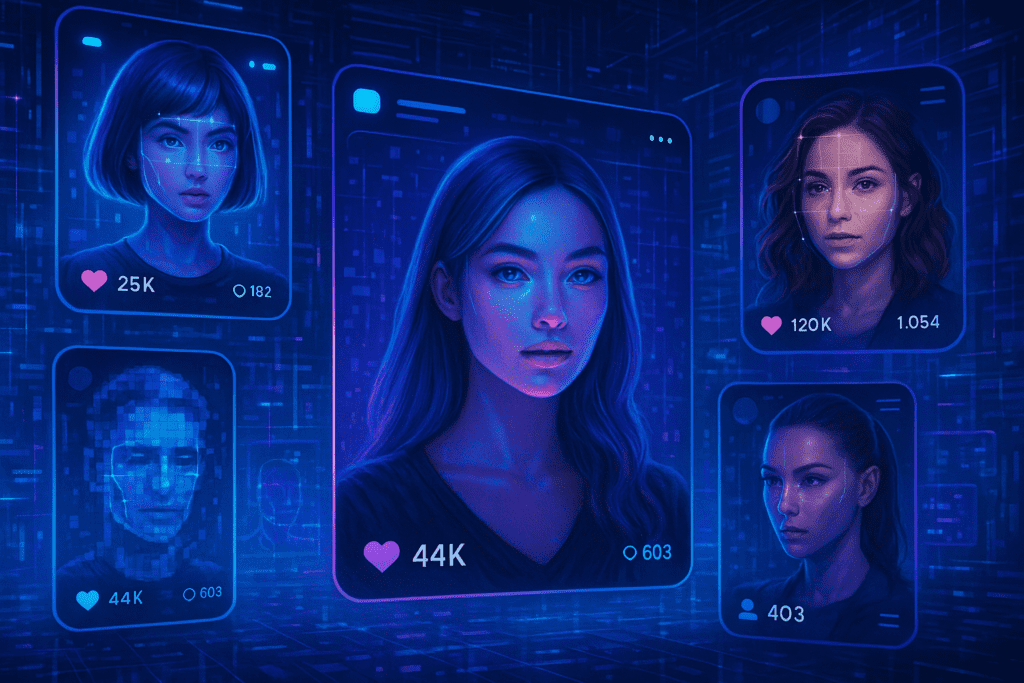
* Lil Miquela – The Original Virtual Trendsetter
- Imma – Japan’s Digital Fashion Icon
- FN Meka – The Rapper That Never Existed
Deepfake Celebrities: A Dangerous Game?
- Examples of Deepfakes in Media
- Ethical Concerns and Consent Issues
- The Legal Grey Zone
Why Brands Are Embracing AI Faces
- Cost-Effective Marketing
- Zero Scandals, Full Control
- 24/7 Availability and Customization
Audience Reactions and Engagement
- Are People Really Engaging With AI?
- Authenticity vs. Aesthetics
- Trust and Transparency Issues
The Psychological Impact of AI Celebrities
- The Perfection Illusion
- Body Image and Self-Esteem
- Parasocial Relationships with Machines
Influencer Marketing in 2025 and Beyond
- Predicting the Future of Virtual Influencers { Ai influencers and deepfake celebrities }
- The Role of AI in Ad Campaigns
- Human + AI Collaborations
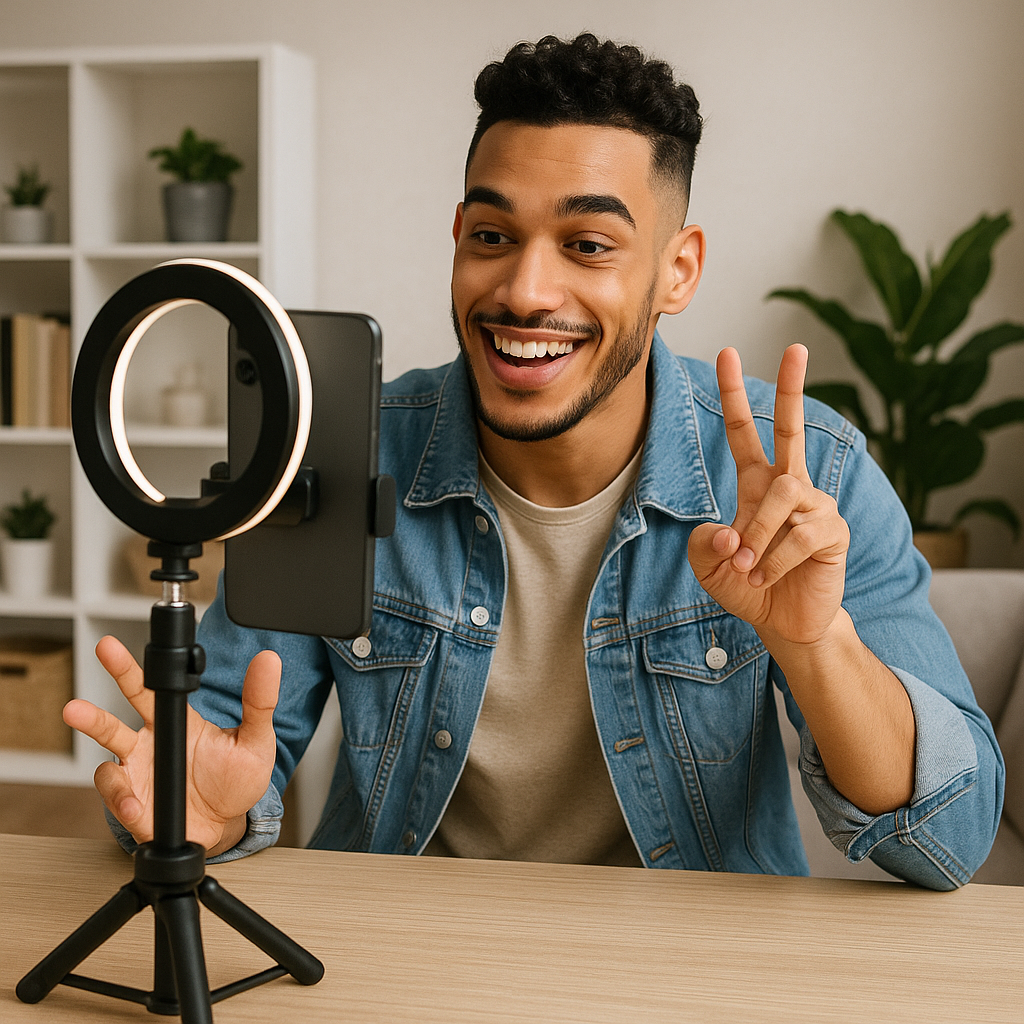
How to Spot an AI Influencer
- Telltale Signs of Virtual Beings
- Tools and Techniques to Verify Authenticity
How to Create Your Own AI Influencer
- Tools to Use (Daz3D, Unreal Engine, ChatGPT, etc.)
- Step-by-Step Process
- Monetization Opportunities
The Flip Side: The Risks of Deepfake Misuse
- Identity Theft and Impersonation
- Fake News and Political Manipulation
- Mental Health Effects of False Realities
Legal and Ethical Frameworks
- Current Laws Around Deepfakes
- Future Regulations Being Considered
- Tech Companies’ Responsibilities
Case Studies
- How Prada Used an AI Influencer
- The Deepfake Tom Cruise Phenomenon
- Meta’s Policy on Virtual Humans
Should You Trust Virtual Influencers?
- Weighing Pros and Cons
- What It Means for Human Creators
Conclusion
- The New Normal or a Passing Trend?
FAQs
- Are AI influencers and deepfake celebrities real people?
- Can deepfake celebrities replace actors?
- How can you tell if someone is a deepfake?
- Is it legal to use deepfake tech?
- Will this affect real influencers?
AI Influencers and Deepfake Celebrities : The New Face of Social Media
Introduction
Imagine scrolling through Instagram and stumbling across a flawless model, dancing, talking, and interacting like a real person—but they don’t actually exist. Welcome to the world of AI influencers and deepfake celebrities .
These digital personas are taking over your social feeds, brand campaigns, and even music videos. But are they harmless entertainment or a glimpse into a creepy, synthetic future?
What Are AI Influencers and deepfake celebrities ?
AI influencers are digitally created personas crafted to mimic the appearance, behavior, and interactions of real social media influencers.They’re powered by AI tools that control their voice, behavior, content, and even interactions with followers.
They don’t eat, sleep, or age—but they sure can rack up followers and brand deals.
The Rise of Deepfake Celebrities
Unlike AI influencers built from scratch, deepfake celebrities use real humans’ likenesses—often without consent—to create synthetic content. Think of a hyper-realistic Tom Cruise video on TikTok that isn’t actually Tom Cruise. That’s a deepfake.
Why This Matters Now
With deep learning tools becoming more accessible, anyone can create a virtual persona.This makes it harder than ever to tell what’s real and what’s artificial.. It challenges how we define authenticity, identity, and trust online.
Understanding the Technology Behind It
Artificial Intelligence in Content Creation
AI tools like ChatGPT, Runway ML, and Synthesia allow creators to write, edit, and animate content without a human in the shot. These tools learn and evolve, creating increasingly realistic results.
Deepfake Technology Explained
Deepfakes are powered by neural networks that “learn” how someone looks and moves, then replicate those patterns. The more data you feed the algorithm, the more realistic the outcome.
Combining AI and CGI to Create PersonasThink of it like The Sims meets Pixar meets Instagram. Developers use CGI modeling tools, voice synthesis, and social media analytics to tailor virtual personalities to what audiences want most.
The Most Popular AI Influencers Right Now
Lil Miquela – The OG Virtual Influencer
Created in 2016, Lil Miquela is a Brazilian-American AI model with millions of followers. She’s done campaigns with Prada and Calvin Klein—yes, really.
Imma – Japan’s Digital Fashion Icon
Imma is known for her pink bob and minimalist aesthetic. Brands love her because she’s “forever on brand” and never has a bad PR day.
FN Meka – The Rapper That Never Existed
A controversial figure, FN Meka was an AI rapper signed by Capitol Records—then dropped after backlash. His existence raised serious questions about race, culture, and AI ownership.
Ai Influencers and Deepfake Celebrities { 2 } : A Dangerous Game?
Examples of Deepfakes in Media
From “fake” Joe Rogan interviews to viral Tom Cruise videos, deepfakes are everywhere. And they’re getting harder to spot.
Ethical Concerns and Consent Issues
What if someone deepfakes your image without permission? That’s the terrifying reality of today’s digital age. Celebrities have teams to fight this. The average person? Not so lucky.
The Legal Grey Zone
There are limited legal protections globally against non-consensual deepfakes. This leaves creators and victims in uncharted territory.
Why Brands Are Embracing AI Faces
Cost-Effective Marketing
No flights, hotels, or catering. Just pure digital influence. For brands, this is a dream come true.
Zero Scandals, Full Control
AI personalities don’t post drunk tweets or get into controversies. They stay exactly how the brand wants them.
24/7 Availability and Customization
Virtual influencers never need a day off. Their look, mood, and language can be instantly tailored for any campaign.
Audience Reactions and Engagement
Are People Really Engaging With AI?
Yes, and surprisingly so. Many followers comment as if they were talking to a real person. Some even form emotional connections.
Authenticity vs. Aesthetics
While some crave authentic content, others follow for the “perfect” lifestyle—something AI influencers nail effortlessly.
Trust and Transparency Issues
Many influencers disclose they’re virtual—but not all. Lack of transparency can lead to serious backlash.
The Psychological Impact of AI Influencers and deepfake Celebrities
The Perfection Illusion
When your feed is filled with flawless digital models, it warps reality. Human creators feel pressure to “compete” with perfection.
Body Image and Self-Esteem
This digital beauty standard can damage mental health, especially among teens who feel they can never measure up.
Parasocial Relationships with Machines
People build one-sided relationships with influencers. When that influencer isn’t even real—it’s even more emotionally confusing.
Influencer Marketing in 2025 and Beyond
Predicting the Future of Virtual Influencers
Expect to see AI hosts, speakers, and even therapists. The boundaries are just starting to stretch.
The Role of AI in Ad Campaigns
AI will help create hyper-targeted campaigns, analyzing user behavior to tailor content in real time.
Human + AI Collaborations
Some creators are blending their real identities with AI enhancements—turning themselves into part-human, part-AI influencers.
How to Spot an AI Influencer and deepfake celebrities
Telltale Signs of Virtual Beings
- Unnatural lighting
- No childhood photos
- Overly scripted responses
Tools and Techniques to Verify Authenticity
- Reverse image search
- Metadata analysis
- AI-detection plugins
How to Create Your Own AI Influencer
Tools to Use
- Daz3D
- Unreal Engine
- ChatGPT
- MidJourney or Stable Diffusion
Step-by-Step Process
- Design the look
- Create voice and personality
- Build social presence
- Schedule automated content
Monetization Opportunities
- Brand deals
- Merch sales
- NFT drops
- Paid collaborations
The Flip Side: The Risks of Deepfake Misuse
Identity Theft and Impersonation
Deepfakes can be used to scam people or ruin reputations. This isn’t sci-fi anymore—it’s happening.
Fake News and Political Manipulation
Imagine seeing your favorite politician “say” something scandalous. That’s the kind of chaos deepfakes can spark.
Mental Health Effects of False Realities
When you can’t trust your eyes, it breeds paranoia. We might soon reach a point where “seeing is believing” no longer applies.
Legal and Ethical Frameworks
Current Laws Around Deepfakes
Some countries like China and the US have started regulating deepfakes—but it’s still the Wild West.
Future Regulations Being Considered
Expect stricter digital ID laws, watermarking of AI content, and penalties for misuse.
Tech Companies’ Responsibilities
Platforms like Meta and TikTok are being urged to label synthetic content and moderate fake accounts.
Case Studies
How Prada Used an AI Influencer
Lil Miquela fronted a major campaign—driving massive engagement and zero logistical hassle.
The Deepfake Tom Cruise Phenomenon
Millions of people believed it was real. It wasn’t. It went viral anyway.
Meta’s Policy on Virtual Humans
Meta now requires AI-generated content to be labeled—a step toward transparency.
Should You Trust Virtual Influencers?
It depends. If they’re honest about being AI and don’t manipulate or mislead—why not? But transparency is key.
Conclusion
AI influencers and deepfake celebrities are more than just digital curiosities—they’re reshaping how we experience fame, beauty, and influence online. Whether you embrace them or reject them, one thing’s certain: they’re not going anywhere.
The line between human and machine is getting fuzzier by the day—and the next “it” girl on Instagram might just be pixels and code.
FAQs
Q1: Are AI influencers real people?
No, they’re digitally created characters controlled by software and human teams.
Q2: Can deepfake celebrities replace actors?
In some contexts, yes—especially for ads, cameos, or even voiceovers.
Q3: How can you tell if someone is a deepfake?
Look for visual glitches, metadata inconsistencies, or lack of history.
Q4: Is it legal to use deepfake tech?
It depends on how it’s used. Parody is often protected; impersonation isn’t.
Q5: Will this affect real influencers?
Definitely. Human influencers now have digital competition—flawless, tireless, and programmable.
The Most Popular AI Influencers Right Now
Lil Miquela – The Original Virtual Influencer
Launched in 2016, Lil Miquela is a Brazilian-American AI-generated model who has amassed millions of followers. She has starred in campaigns for major brands like Prada and Calvin Klein—yes, those were real partnerships.
Imma – Japan’s Digital Style Icon
Imma stands out with her signature pink bob and sleek, minimalist fashion sense. She’s a favorite among brands for her consistent image and drama-free digital presence.
FN Meka – The Virtual Rapper Who Sparked Controversy
FN Meka, an AI-generated rapper once signed by Capitol Records, quickly became a lightning rod for criticism. His creation ignited debates around race, cultural appropriation, and ethical boundaries in AI-driven entertainment.
Deepfake Celebrities: A Dangerous Game?
Examples of Deepfakes in Media
From “fake” Joe Rogan interviews to viral Tom Cruise videos, deepfakes are everywhere. And they’re getting harder to spot.
Ethical Concerns and Consent Issues
What if someone deepfakes your image without permission? That’s the terrifying reality of today’s digital age. Celebrities have teams to fight this. The average person? Not so lucky.
The Legal Grey Zone
There are limited legal protections globally against non-consensual deepfakes. This leaves creators and victims in uncharted territory.
Why Brands Are Embracing AI Faces
Cost-Effective Marketing
No flights, hotels, or catering. Just pure digital influence. For brands, this is a dream come true.
Zero Scandals, Full Control
AI personalities don’t post drunk tweets or get into controversies. They stay exactly how the brand wants them.
24/7 Availability and Customization
Virtual influencers never need a day off. Their look, mood, and language can be instantly tailored for any campaign.
Audience Reactions and Engagement
Are People Really Engaging With AI?
Yes, and surprisingly so. Many followers comment as if they were talking to a real person. Some even form emotional connections.
Authenticity vs. Aesthetics
While some crave authentic content, others follow for the “perfect” lifestyle—something AI influencers nail effortlessly.
Trust and Transparency Issues
Many influencers disclose they’re virtual—but not all. Lack of transparency can lead to serious backlash.
The Psychological Impact of AI Celebrities
The Perfection Illusion
When your feed is filled with flawless digital models, it warps reality. Human creators feel pressure to “compete” with perfection.
Body Image and Self-Esteem
This digital beauty standard can damage mental health, especially among teens who feel they can never measure up.
Parasocial Relationships with Machines
People build one-sided relationships with influencers. When that influencer isn’t even real—it’s even more emotionally confusing.
Influencer Marketing in 2025 and Beyond
Predicting the Future of Virtual Influencers
Expect to see AI hosts, speakers, and even therapists. The boundaries are just starting to stretch.
The Role of AI in Ad Campaigns
AI will help create hyper-targeted campaigns, analyzing user behavior to tailor content in real time.
Human + AI Collaborations
Some creators are blending their real identities with AI enhancements—turning themselves into part-human, part-AI influencers.
How to Spot an AI Influencer
Telltale Signs of Virtual Beings
- Unnatural lighting
- No childhood photos
- Overly scripted responses
Tools and Techniques to Verify Authenticity
- Reverse image search
- Metadata analysis
- AI-detection plugins
How to Create Your Own AI Influencer
Tools to Use
- Daz3D
- Unreal Engine
- ChatGPT
- MidJourney or Stable Diffusion
Step-by-Step Process
- Design the look
- Create voice and personality
- Build social presence
- Schedule automated content
Monetization Opportunities
- Brand deals
- Merch sales
- NFT drops
- Paid collaborations
The Flip Side: The Risks of Deepfake Misuse
Identity Theft and Impersonation
Deepfakes can be used to scam people or ruin reputations. This isn’t sci-fi anymore—it’s happening.
Fake News and Political Manipulation
Imagine seeing your favorite politician “say” something scandalous. That’s the kind of chaos deepfakes can spark.
Mental Health Effects of False Realities
When you can’t trust your eyes, it breeds paranoia. We might soon reach a point where “seeing is believing” no longer applies.
Legal and Ethical Frameworks
Current Laws Around Deepfakes
Some countries like China and the US have started regulating deepfakes—but it’s still the Wild West.
Future Regulations Being Considered
Expect stricter digital ID laws, watermarking of AI content, and penalties for misuse.
Tech Companies’ Responsibilities
Platforms like Meta and TikTok are being urged to label synthetic content and moderate fake accounts.
Case Studies
How Prada Used an AI Influencer
Lil Miquela fronted a major campaign—driving massive engagement and zero logistical hassle.
The Deepfake Tom Cruise Phenomenon
Millions of people believed it was real. It wasn’t. It went viral anyway.
Meta’s Policy on Virtual Humans
Meta now requires AI-generated content to be labeled—a step toward transparency.
Should You Trust Virtual Influencers?
It depends. If they’re honest about being AI and don’t manipulate or mislead—why not? But transparency is key.
Conclusion
AI influencers and deepfake celebrities are more than just digital curiosities—they’re reshaping how we experience fame, beauty, and influence online. Whether you embrace them or reject them, one thing’s certain: they’re not going anywhere.
The line between human and machine is getting fuzzier by the day—and the next “it” girl on Instagram might just be pixels and code.
FAQs
Q1: Are AI influencers real people?
No, they’re digitally created characters controlled by software and human teams.
Q2: Can deepfake celebrities replace actors?
In some contexts, yes—especially for ads, cameos, or even voiceovers.
Q3: How can you tell if someone is a deepfake?
Look for visual glitches, metadata inconsistencies, or lack of history.
Q4: Is it legal to use deepfake tech?
It depends on how it’s used. Parody is often protected; impersonation isn’t.
Q5: Will this affect real influencers?
Definitely. Human influencers now have digital competition—flawless, tireless, and programmable.


Pingback: What is Digital Marketing? A Complete Guide for Beginners (1) -
Pingback: Helldivers 2 Xbox : Explosive Demand for Helldivers on Xbox . -
Pingback: Google One & Gemini AI: A Game-Changer for Students with the New Gemini Pro Student Offer (1) -
Pingback: Stranger Things 5 : Everything We Know So Far About the Epic Final Season -
Pingback: Mastering Instagram Reposting Reels: The Ultimate Guide to Repost Like a Pro In 2025 - TODAY NEWS